
Safaricom E-Waste Collection Drive: All You Need to Know
All about Safaricom e waste collection drive that ends November 13, 2026. See accepted items, benefits and all you need to know before you drop off.
Safaricom has opened a nationwide appeal for Kenyans to hand in unused electronics at its shops by November 13, 2026. The Safaricom e waste collection drive gives households a simple way to clear drawers of dead phones and tangled cables.
The initiative is part of a wider push to make electronic waste handling safer and more accessible across Kenya. This guide covers all you need to know, from accepted items to the benefits for people and the environment.
What the Safaricom E-Waste Collection Drive Involves
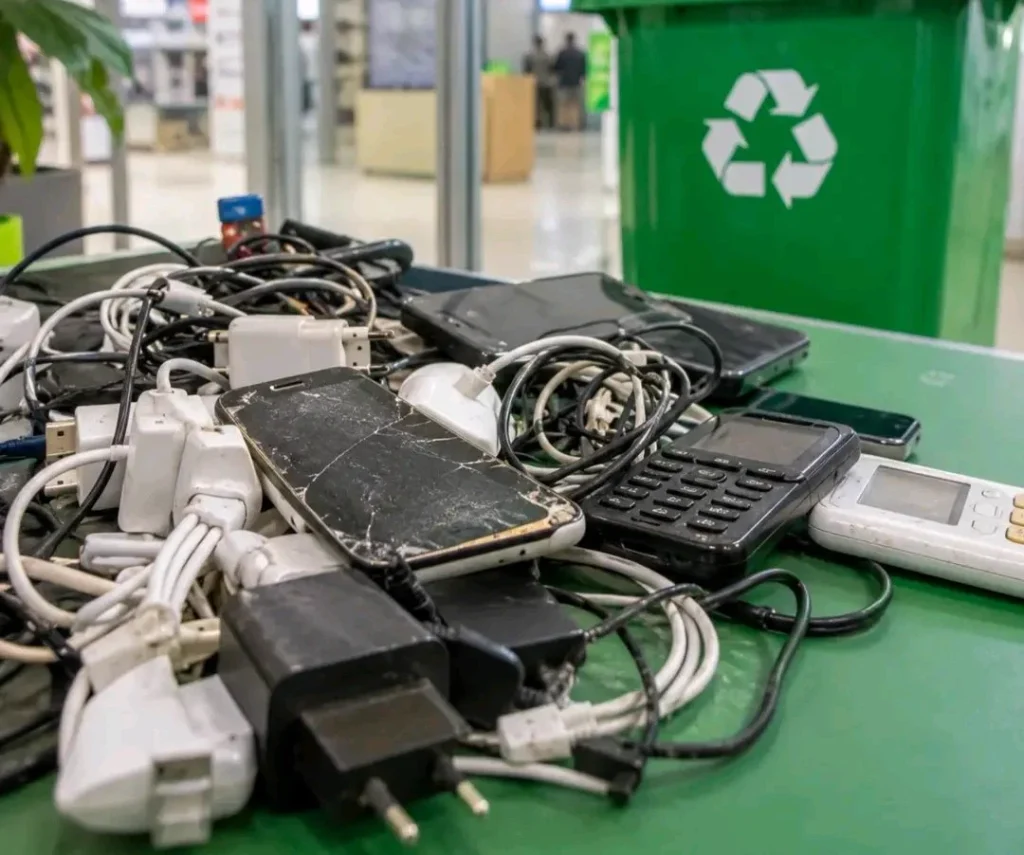
Customers can drop off old mobile phones, chargers, earphones, batteries and other small electronic accessories at any Safaricom retail shop. The call is addressed to every Kenyan holding idle gadgets, from students and families to small business owners.
Whether you live in Nairobi or another county, you can use the shop nearest to your home, office or school. Earlier Safaricom recycling efforts also welcomed items such as toys, laptops and music systems, so ask staff about larger gadgets.
Safaricom E-Waste Management and Recycling in Kenya
Collected items go to the WEEE Centre, a recycler that safely dismantles devices and recovers reusable materials. Specialised partners sort, dismantle and process each gadget so that useful components find a second life.
This approach to safaricom e waste management keeps harmful components out of landfills and rivers across the country.
Safaricom has collected more than 430 tonnes of e-waste since 2013, equal to about 78 adult African elephants. The Safaricom Foundation backed e waste recycling Kenya efforts with a KSh 6.14 million interest-free loan to the WEEE Centre.
The loan helped the centre expand its processing capacity to 25 tonnes, strengthening local recycling infrastructure.
Benefits of Handing In Your Old Devices
The main benefits are cleaner neighbourhoods, safer disposal of batteries and less pressure on overflowing dumpsites. Many Kenyans keep old devices in drawers for years, where ageing batteries can leak and create avoidable hazards.
Recycling also recovers metals and other valuable materials, which can return to manufacturing instead of being mined afresh. Participation costs nothing, and every device handed in becomes a small contribution to a circular economy.
Can You Make Money From E-Waste?
Safaricom has clarified that the exercise is environmental, so no cash payment is offered for items surrendered. Those curious about how much per kg e-waste fetches should know that private recyclers and buyers set their own rates.
Where to Dispose of E-Waste in Kenya
Beyond Safaricom shops, E-waste Initiative Kenya has partnered with EPROK Kenya and iLab on a collection event at Strathmore University. Such community activations show that responsible disposal options are growing, giving more Kenyans a chance to act.
Tips Before You Drop Off
Back up your photos, contacts and documents before handing over any phone, since the devices will not be returned. Remove your SIM card and memory card, then log out of accounts to protect your personal information. Visit a Safaricom shop before November 13, 2026, and carry everything you no longer use.

Read also: Epic Upcycling Ideas
Final Word
The Safaricom e waste collection drive shows how a simple shop visit can protect the environment before the deadline. With the November 13 cut-off approaching, now is the right time to gather your gadgets and participate.
For all you need to know, remember the essentials: any Safaricom shop, small electronics, no payment, and a clear deadline.