The Story Behind Ruto’s Expensive Coat and His Top Assets
Discover the designer behind the William Ruto expensive coat, its estimated price, his reply to critics and the top expensive things owned by him.
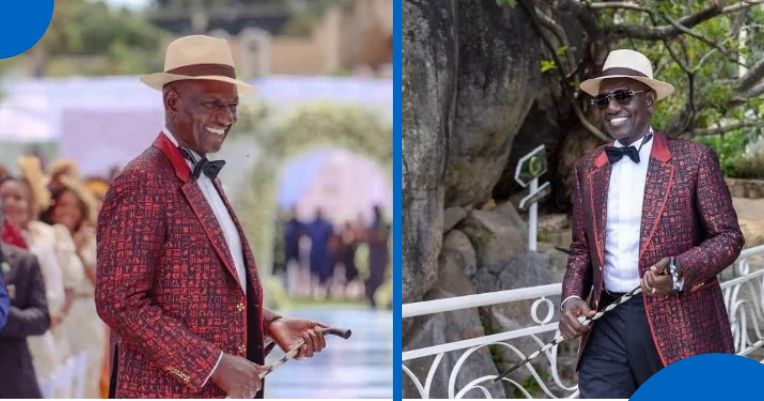
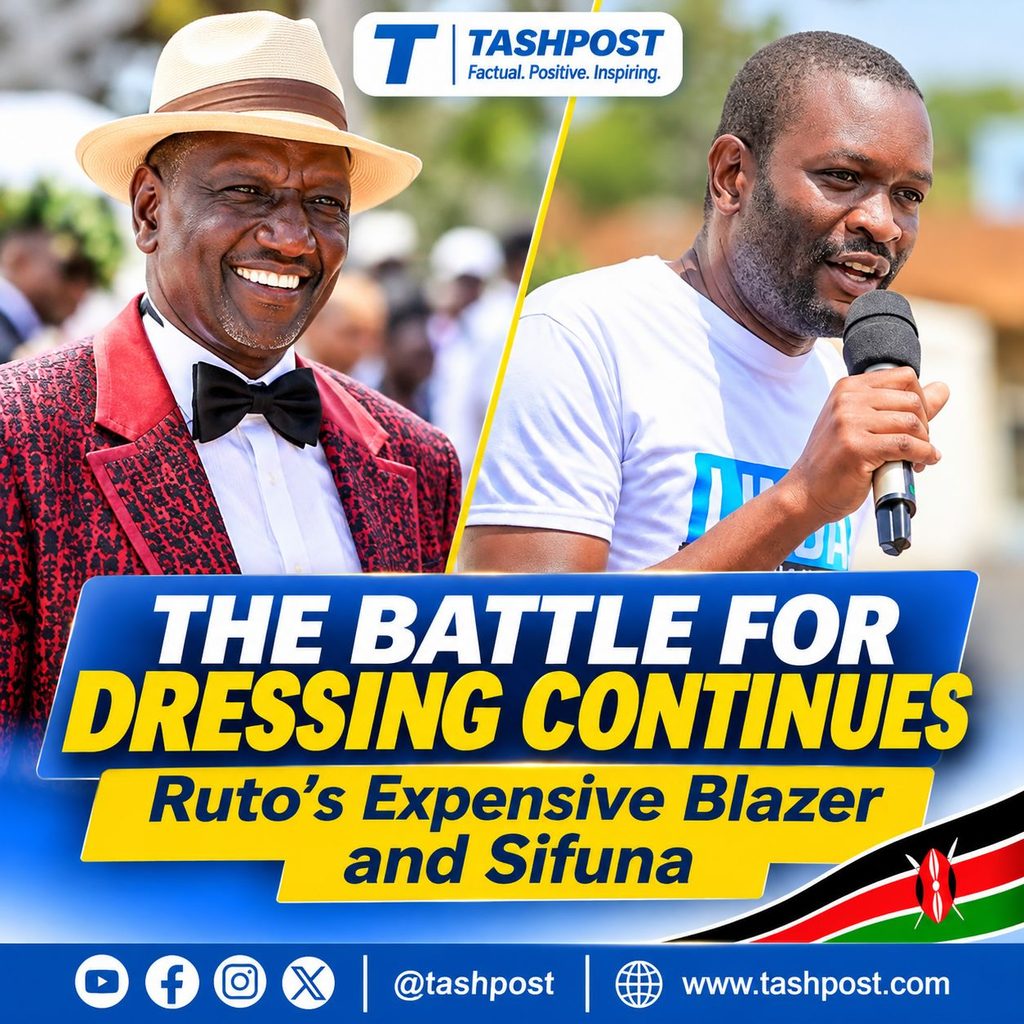
The William Ruto expensive coat everyone is talking about has become the centre of a lively national conversation. The burgundy-and-black blazer, worn at Charlene Ruto’s Mwanza wedding on November 6, 2026, drew admiration for its bold craftsmanship. In Narok on Sunday, the President answered critics directly and defended his personal style.
Who Designed William Ruto’s Designer Blazer?
The designer blazer is attributed to Stefano Ricci, the Italian luxury house founded in Florence in 1972. Nairobi retailer Zannetti Gents Fashion identified the piece as part of the brand’s 50th Anniversary Egyptian Hieroglyphic collection.
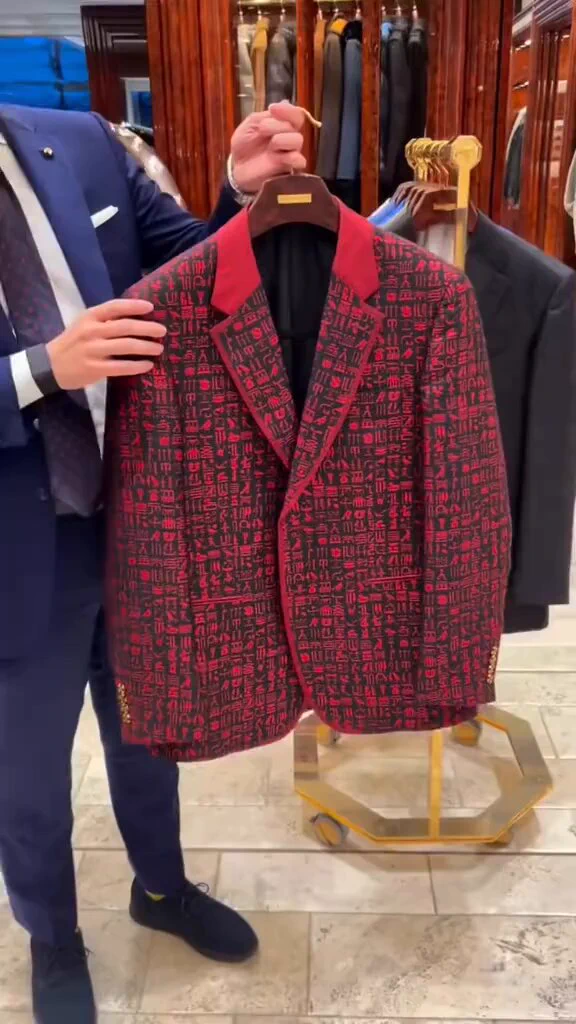
The jacket features intricate motifs, velvet lapels, gold buttons and detailed cuffs. Fashion followers have praised it as a rare, confident statement piece.
How Much Does Ruto’s Blazer Cost?
Media estimates place the blazer cost between KSh 650,000 and KSh 1.3 million. The retailer listed direct orders from about USD 7,000, which is roughly KSh 904,000, depending on size and availability.
Some political figures have quoted far higher numbers, including KSh 20 million and KSh 100 million. Those figures remain allegations and have not been independently verified.
Ruto’s Reply “My Dress Code, My Choice”
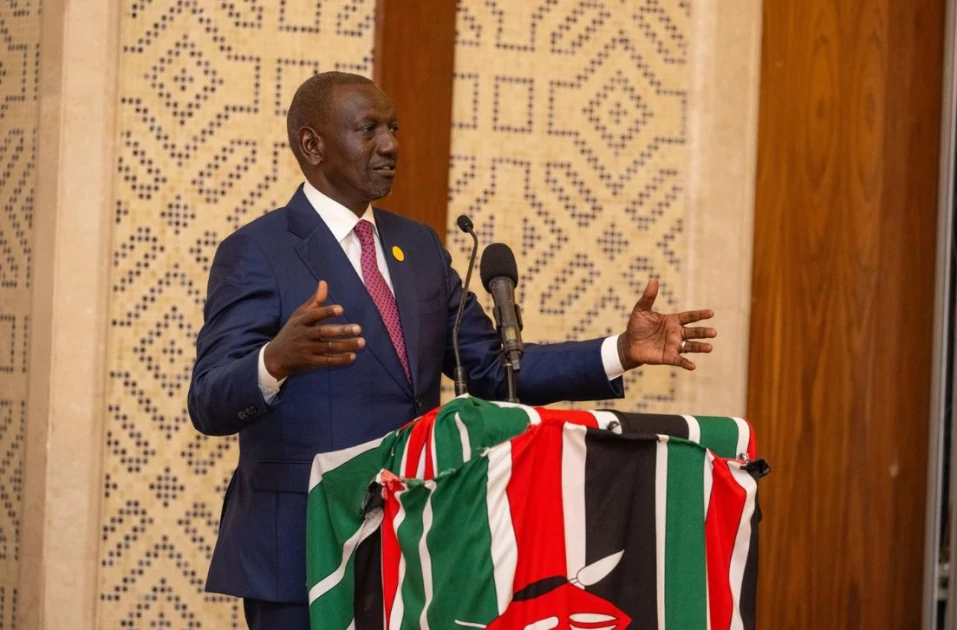
Speaking after a church service in Narok, the President said he pays attention to what he says and how he dresses. He added that people who change the world begin by making their beds each morning.
His remarks followed Senator Edwin Sifuna’s joke that the outfit looked like a “walking SACCO.” The exchange began when critics questioned Sifuna’s preference for T-shirts, and both sides have since made their case publicly.
Top Expensive Things Owned by Him
The top expensive things owned by him span fashion, farmland and business interests. Here is what has been reported so far.
Stefano Ricci belt
The matte-black crocodile leather belt with a gold buckle is listed by the brand at about KSh 428,400 (USD 2,800). The President wore it at a church service in 2023.
Cashmere-and-silk blouson jacket
Reports have valued this farm-visit jacket at around KSh 4.8 million. Its crocodile leather accents are among its distinctive features.
Sugoi farm
The 430-acre poultry and dairy farm in Uasin Gishu County is among his best-known agribusiness assets.
Intona Heritage Farm
The family’s 900-acre farm in Kilgoris, Narok County, hosted Charlene’s traditional Koito ceremony in August 2026.
Hospitality and real estate
His interests reportedly include the Weston Hotel in Nairobi and properties in Mombasa and the Maasai Mara.
Corporate shareholdings
He holds investments in companies such as the Africa Merchant Assurance Company (AMACO).
Ruto’s Expensive Shoes and Watch by Sifuna
Nairobi Senator Edwin Sifuna defended his T-shirts and joked that President William Ruto’s wedding outfit looked like a “walking SACCO.” In Narok, the President replied that he pays attention to how he dresses and that a dress code is a personal choice.
Sifuna alleged the shoes cost KSh 20 million and the watch KSh 30 million. No independent valuation has confirmed either figure, however they look expensive. Confirmed brand details exist only for the blazer, the belt and the blouson jacket, so readers should treat the larger numbers cautiously.
Ruto’s Wealth and Source of Income
Estimates of William Ruto’s wealth vary widely, with commonly cited figures ranging from KSh 40 billion to KSh 67 billion. Some reports place the total near USD 400 million. The President earns an official annual salary of KSh 19.8 million. Supporters note that most of his fortune came from decades in private business before he took office.
Ruto himself maintains that he built his wealth legally through farming, investments and hard work. Claims of trillions of shillings, made by former Deputy President Rigathi Gachagua, have not been documented.
Why the Conversation Matters
Beyond the price tags, Kenyans are debating whether a leader’s image should matter more than delivery on jobs, housing and living costs. Admirers see polished presentation as a sign of discipline and respect for office.
Others prefer relatable, casual dressing that connects with young voters. Both views reflect a vibrant democratic culture where citizens openly discuss leadership and public life.
The designer blazer will likely stay in the headlines as political conversations continue. Readers can share what matters most to them when they judge a leader.