World Bank Boosts Africa AI Digitization with Strive Masiyiwa’s Cassava
The World Bank partners with Strive Masiyiwa’s Cassava Technologies and Nvidia to expand affordable AI computing across Africa. Here is what it means.
The World Bank has named Cassava Technologies, the group founded by Zimbabwean billionaire Strive Masiyiwa, as a knowledge partner in a new drive to boost Africa AI digitization.
The announcement came at the Global AI & Digital Summit in Seoul on October 20, 2026. It places African data centres, fibre networks and cloud services at the heart of a plan to make artificial intelligence affordable for governments.
What the World Bank Group Announced
The World Bank Group launched its first digital strategy alongside the AI Infrastructure and Readiness Initiative. The strategy rests on four priorities: expanding connectivity, lowering the cost of devices and data, strengthening digital services and skills, and building readiness for AI. Safeguards covering privacy, cybersecurity and fraud protection run across every priority.
The new initiative tackles a practical problem. Many governments want to use AI but cannot afford to build national data centres. They will instead tap shared, pay-as-you-go GPU infrastructure, which is specialised computing power used to develop and run AI applications. Countries can scale up as their needs grow, without heavy upfront costs or the risk of obsolete equipment.
The initial focus is Africa and Latin America. Cassava Technologies and Nvidia will contribute knowledge and technical expertise to the effort.
Why Africa AI Compute Matters
Computing power remains the missing link for the continent. Industry estimates suggest Africa holds less than 0.1 percent of the world’s GPUs. That gap slows governments, researchers and start-ups that want to build tools using local data and languages.
The wider picture explains the urgency. More than two billion people were offline globally in 2025. Only 23 percent of people in low-income countries used the internet, compared with 94 percent in high-income countries.
Jobs add to the pressure. Over the next 10 to 15 years, 1.2 billion young people will reach working age in developing countries. Their economies are projected to create about 420 million jobs, so productivity tools matter greatly.
Who Is Strive Masiyiwa?
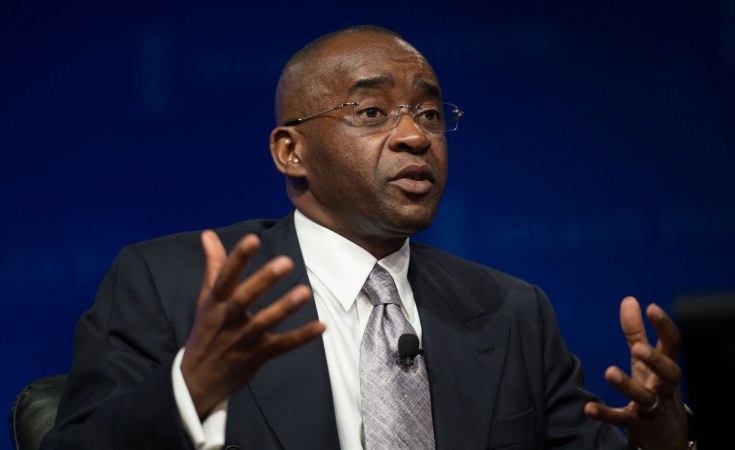
Strive Masiyiwa is a London-based Zimbabwean businessman and philanthropist, born on January 29, 1961. He is 65 years old today. He founded and chairs the Econet Group, which includes Econet Wireless and Cassava Technologies.
Forbes estimates his net worth at about US$2.2 billion in 2026. He first rose to prominence by defeating Zimbabwe’s state telecom monopoly in a landmark Supreme Court case. He is also co-founder of the Higherlife Foundation, which supports education for vulnerable children. He has served on the Gates Foundation board of trustees since January 2022.
What Is Cassava Technologies?
Cassava Technologies is a pan-African technology group that works across digital infrastructure, cloud services and artificial intelligence. Its businesses include Liquid Intelligent Technologies, which runs a fibre network spanning more than 100,000 kilometres. They also include Africa Data Centres, Cassava AI, Sasai Fintech and Distributed Power Africa.
The group is building AI factories powered by Nvidia GPUs on African soil. Its first facility opened in Johannesburg, South Africa. Plans extend to Nigeria, Kenya, Egypt and Morocco, which would widen access across the continent.
In Egypt, Cassava has teamed up with Vodafone Business and Elsewedy Electric on a data centre and sovereign AI project. It targets investment of up to US$1 billion and capacity of up to 200 megawatts.
Cassava’s Role in the World Bank Initiative
Masiyiwa welcomed the announcement and described the work ahead as transformative. He explained that Cassava will connect regional AI hubs to in-country computing capacity, data centres, cloud services and its fibre network. The goal is to bring AI closer to the governments and communities it is meant to serve.
That approach reflects his long-held belief in AI sovereignty. African enterprises, governments and young entrepreneurs should build AI solutions using their own data and languages. They should also design them around their own priorities and challenges.
Small AI With Big Local Impact
World Bank Group President Ajay Banga has described the vision as “small AI—AI for the people.” These are practical tools adapted to specific tasks and local conditions. Examples include helping farmers identify crop disease, supporting health workers and helping businesses manage inventory.
Governments can deploy such applications across agriculture, health care and public services. Shared GPU infrastructure makes that possible without building costly systems from scratch. For Kenya, which features in Cassava’s expansion plans, the model could speed up public service delivery and support local developers.
What This Means for Africa’s Digital Future
The partnership signals growing confidence that Africa can build, not just consume, artificial intelligence. Affordable compute lowers the entry barrier for ministries, universities and start-ups. It also keeps valuable data and skills closer to home.
Much depends on delivery. Governments must prepare national plans, and the World Bank will fund those that create, support or grow digital infrastructure and related industries. Still, the direction is encouraging for Africa AI digitization.
With the World Bank’s financing and Cassava’s infrastructure, the continent gains a credible route to AI readiness. Africa’s young population, expanding networks and rising ambition make this a moment worth watching.